
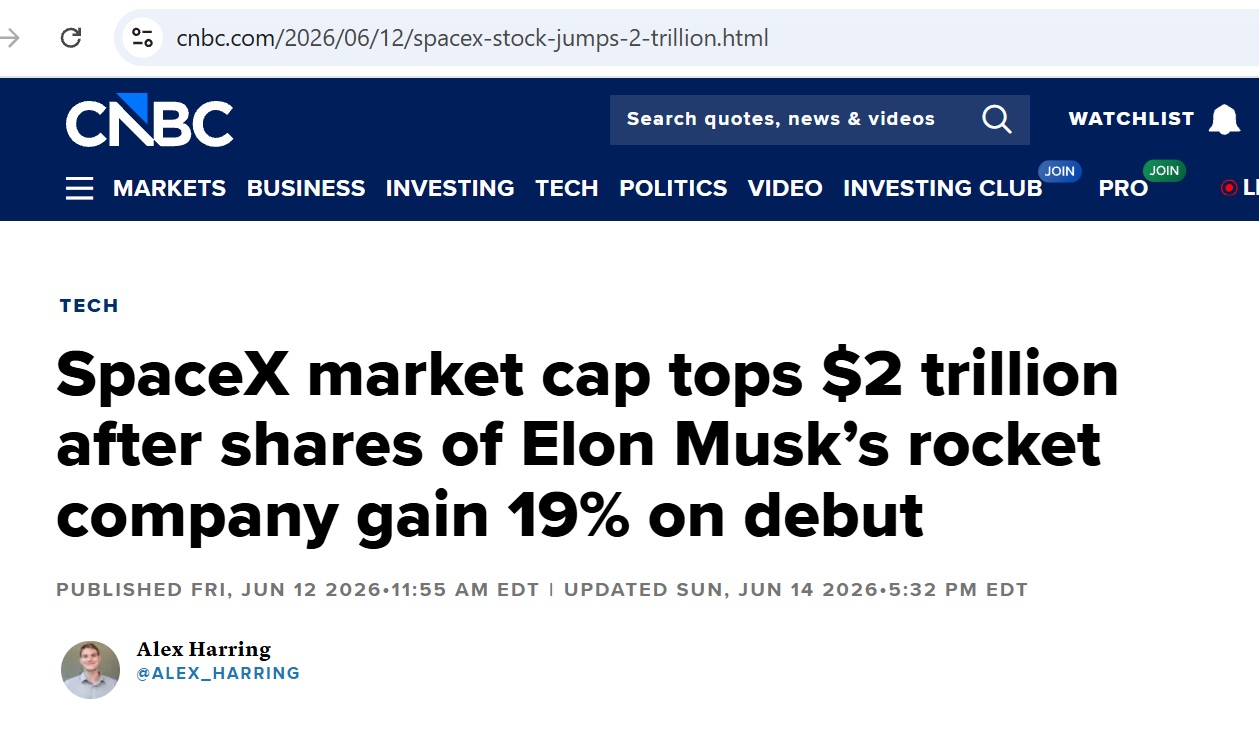
SpaceX executes a textbook Blue Ocean Strategy by fundamentally shifting
the economics of the aerospace sector. Instead of competing for
traditional, finite defense and government payload contracts (a "red
ocean"), SpaceX created uncontested market space through the following
key pillars:
Value Innovation (Reusability): By mastering reusable rocket technology
(Falcon 9 and Falcon Heavy), SpaceX lowered the cost-per-launch
significantly, transforming space access from an exclusive, highly
expensive government endeavor into an affordable commercial service.
Creating New Demand: Lower launch costs allowed previously unviable or
highly experimental projects (such as private payloads, small satellite
constellations, and space tourism) to become commercially and
scientifically viable.
Vertical Integration & Ecosystem Expansion (Starlink): The development
of the Starlink satellite internet constellation is the ultimate blue
ocean move. It bypassed existing terrestrial broadband monopolies,
tapped directly into the global consumer and enterprise market, and
established a symbiotic, high-revenue ecosystem (using their own cheap
launches to deploy their own highly profitable network).
While competitors like Blue Origin and traditional aerospace contractors
historically focused on incremental improvements and competing for the
same limited pool of legacy funding, SpaceX redefined the boundaries of
the industry. By simultaneously aggressively driving down costs and
delivering unprecedented utility, SpaceX successfully expanded the
market to a degree that largely made traditional competition irrelevant.
------------
Copyright (C) All Rights Reserved - Damson Group.